Our Houses
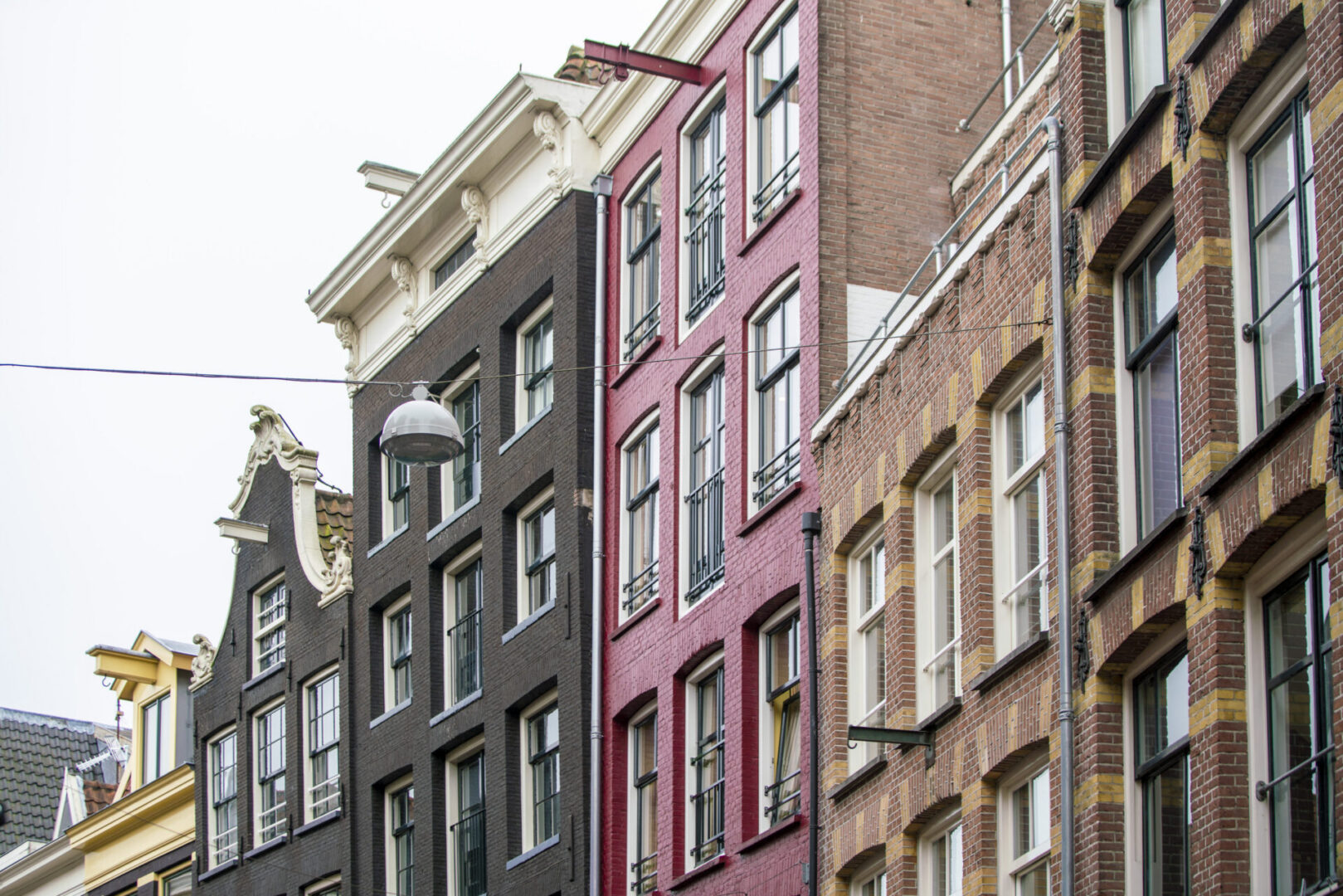
They're narrow on purpose:- Amsterdam's canal houses are famously skinny — some just 2 to 6 metres wide but 20 to 30 metres deep. Historically, houses were taxed partly on the width of their street frontage, which pushed builders to go narrow and deep to keep the bill down.
That's why they have hooks:- Those narrow houses have staircases too steep and tight to move furniture up. So nearly every canal house has a hoisting beam — a 'hijsbalk' — with a hook at the top of the gable. You lift your couch up the outside of the building and in through the window. People still use them today.
And that's why they lean toward you:- Many canal houses tilt forward, over the street, on purpose. They were built with a deliberate forward lean so goods being hoisted up would clear the front of the house instead of smashing into it. (Houses that lean sideways are a different story — that's the soft, swampy ground slowly sinking underneath them.)
Eating Like A Local
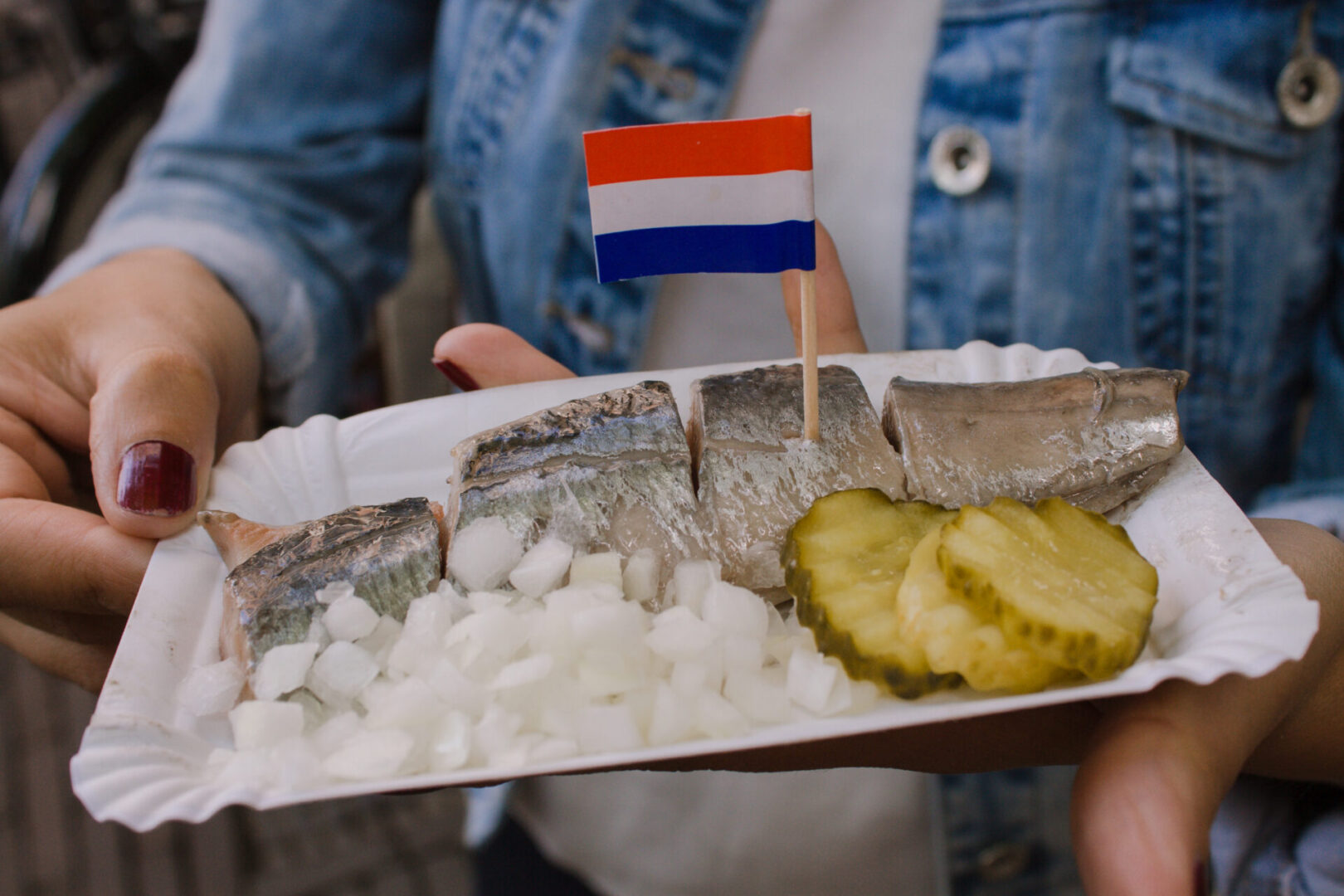
Raw herring is a national event :- Every spring, the first catch of 'Hollandse Nieuwe' herring is celebrated with flags and festivals — most famously on Vlaggetjesdag in Scheveningen, where the very first barrel is auctioned for charity. You'll see it eaten two ways, both authentically Dutch: held up by the tail and lowered into your mouth (the Rotterdam way), or sliced with raw onion and pickles, eaten with a toothpick (the Amsterdam way).
Chocolate sprinkles are a breakfast food :-Hagelslag — chocolate sprinkles — go on buttered bread and are eaten by adults for breakfast. It's not a kids' treat here. Supermarkets dedicate whole shelves to it.
Family Life
A nurse comes to your home after a baby is born :- After you have a baby, a maternity care assistant ('kraamverzorgster') comes to your house for up to about a week — helping with the newborn, with breastfeeding, and even with light household tasks. It's a normal, built-in part of Dutch maternity care.
Home birth is genuinely normal :- The Netherlands has the highest home-birth rate in the developed world. Even though it has declined over the years, a meaningful share of Dutch babies are still born at home with a midwife— compared to under 2% in most comparable countries.
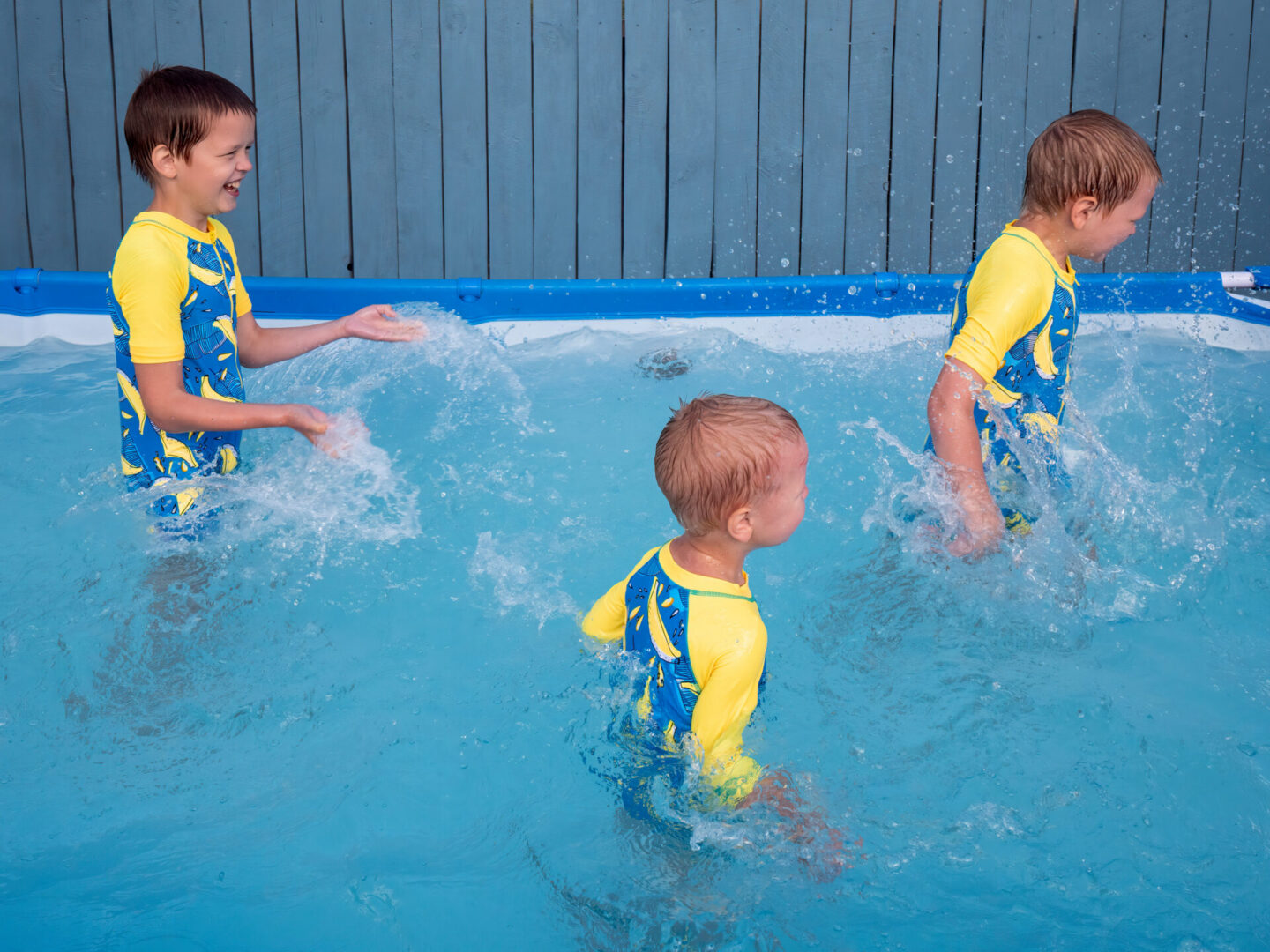
Kids learn to swim in their clothes :- Because this is a country laced with canals and open water, children learn to swim fully clothed — jacket and shoes on — so they'd survive falling into a canal. The swim diploma ('zwemdiploma') is a serious rite of passage, and it's a survival skill here, not just a sport.
Only In The Netherlands
They're the tallest people on Earth :- The Dutch are, on average, the tallest population in the world —men average around 6 feet (184 cm). The wild part: just 200 years ago, they were among the shortest people in Europe.
They fly the world's oldest airline :- KLM, founded in 1919, is the oldest airline in the world still operating under its original name.
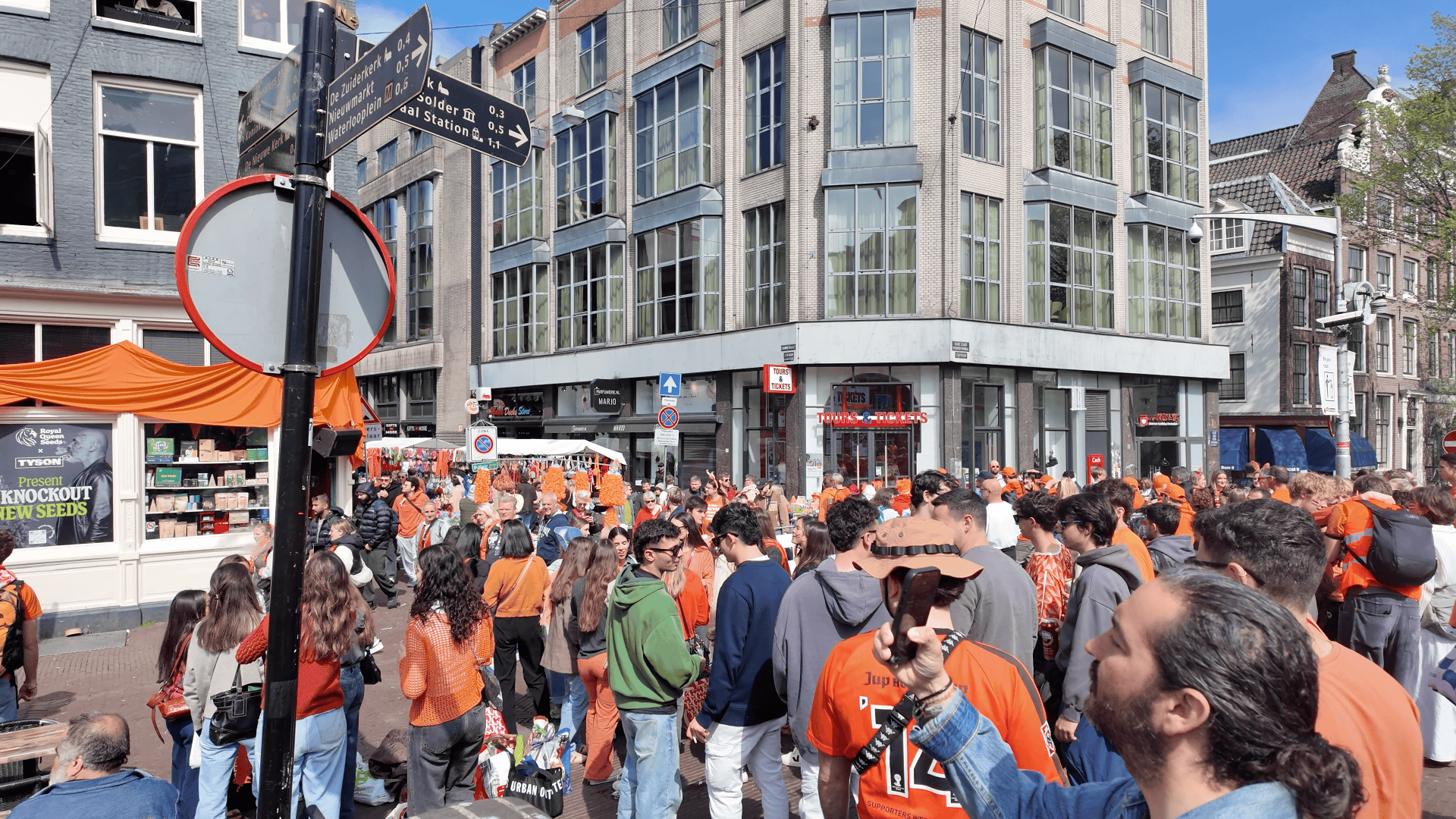
Their national colour isn't on their flag :-The national colour is orange — for the royal House of Orange — and the whole country turns orange for King's Day and football matches. But the flag is red, white, and blue. It originally had an orange stripe, which shifted to red in the 1600s.
They have a second official language :-Alongside Dutch, the Netherlands has a second official language: Frisian ('Frysk'), spoken in the northern province of Friesland, where it's used in schools, courts, and government.
Want more of the Netherlands?
Take a tour through all 12 provinces — one story from each corner of the country
Or come find me on YouTube, where all of this started.
Share